Fostering Innovation in Forestry
Design thinking supports innovation in the
use of forest biomaterials for 3D printing
Client BC Bio-Alliance
Impact
Our design thinking approach brought new collaborators together and defined tangible pilot projects to drive innovation in a well-established industry.
CO-CREATING A VISION FOR WHAT’S POSSIBLE
BC’s forests are vital to both the provincial economy and First Nations communities, yet the deeply rooted forestry industry has been slow to innovate in the face of impacts from climate change and increasing global competitiveness.
To address this, the BC Government has focused on growing the bio-economy through innovation that can sustainably increase the value of BC’s forestry outputs.
BC Government’s Ministry of Forests, Bioeconomy Branch, and the BC Pulp & Paper Bio-Alliance engaged Spatial Research and Design to identify gaps and explore opportunities for using bio-based materials from pulp by-products in additive manufacturing, more commonly known as 3D printing.
The project resulted in a clear vision for an innovation eco system as well as a community of interest engaged in the opportunity to bring the vision to life.
Spatial helped identify and create connections across the ecosystem, and has brought design thinking to an innovative initiative using sustainable wood waste in 3D printing”James Sandland, Government of BC, Ministry of Forestry (FLNRORD)
ESTABLISHING A COMMITTED COMMUNITY OF INTEREST
Spatial used a design thinking approach to uncover industry insights, ideas and connections that have culminated in the definition of key pilot projects to solve real-world problems and showcase the potential for forest biomaterials and 3D printing.
More importantly the process engaged cross-sector collaborators and established a community of interest for additive manufacturing in BC using forest biomaterials. As a result of this process there are 80+ people from several industries, academia, government, and First Nations, who are interested in being involved in growing an innovation ecosystem to develop bio-based materials for additive manufacturing.
THE WORK
Engaging the ecosystem to uncover new opportunities
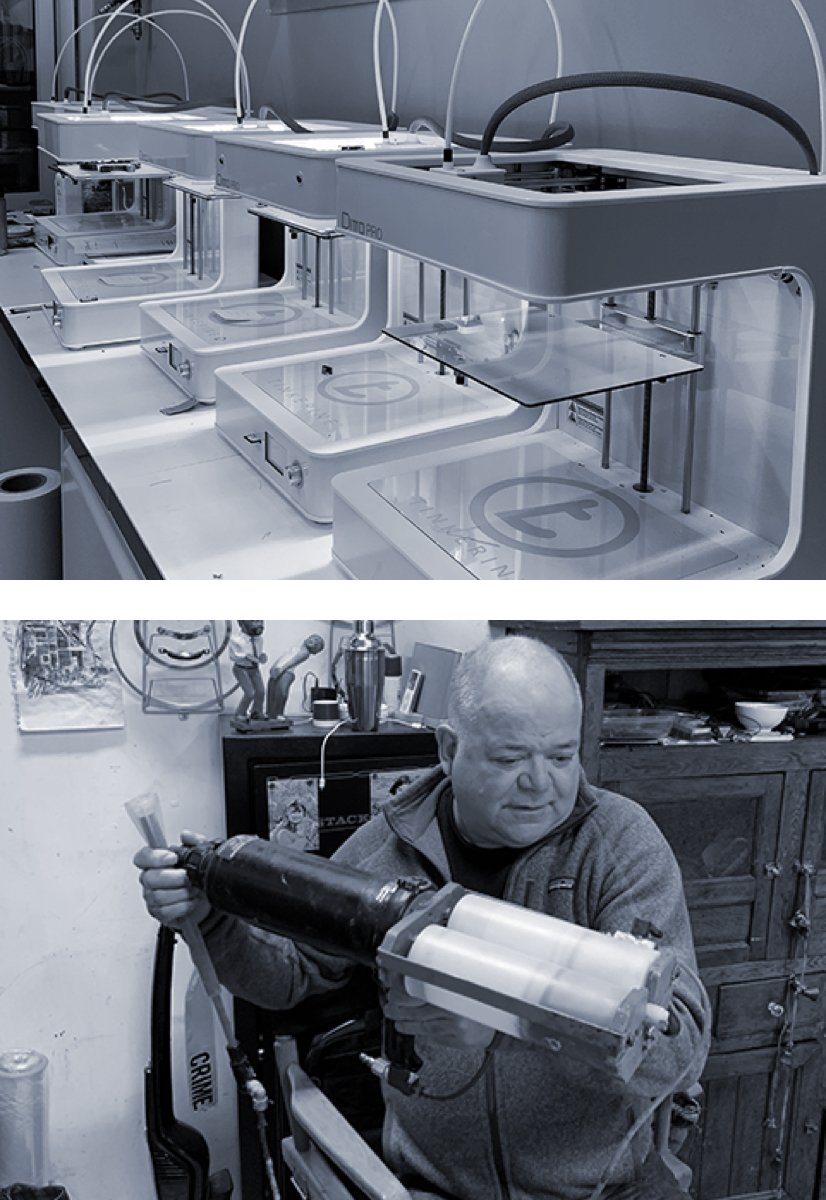
Spatial started by assessing the current state of innovation with respect to both forest bio-mass and materials for additive manufacturing (3D printing) in BC as well as reviewing global trends to fostering innovation in this space.
We conducted strategic research interviews with people across the ecosystem to uncover the current state of innovation in BC, needs for accelerating innovation, and appetite for collaboration.
The key outcome was the identification of three industry opportunity areas where BC could grow the forest bio-products market through 3D printing.
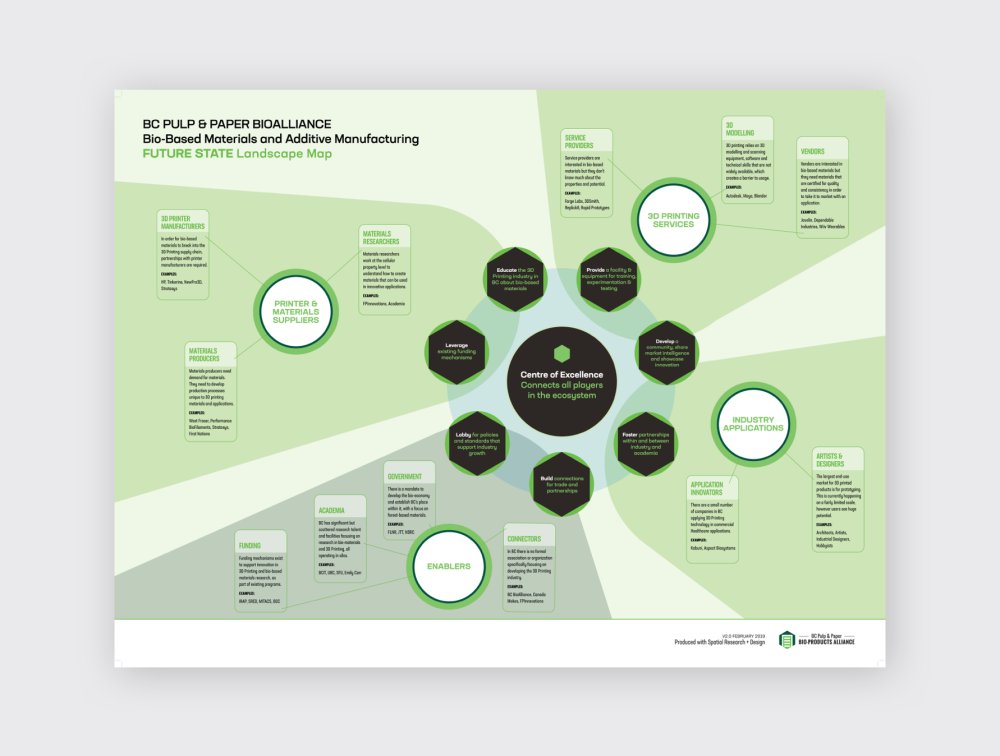
Outputs included a current and future state landscape map that was used to engage potential partners in opportunities for collaboration.
Ecosystem map allow clients has a comprehensive view of the important stakeholders and areas.
Diving deeper to validate demand and grow the appetite for collaboration.
A second round of research focused on validating demand-side opportunities identified via the initial research and assessing the appetite for collaboration across the ecosystem.
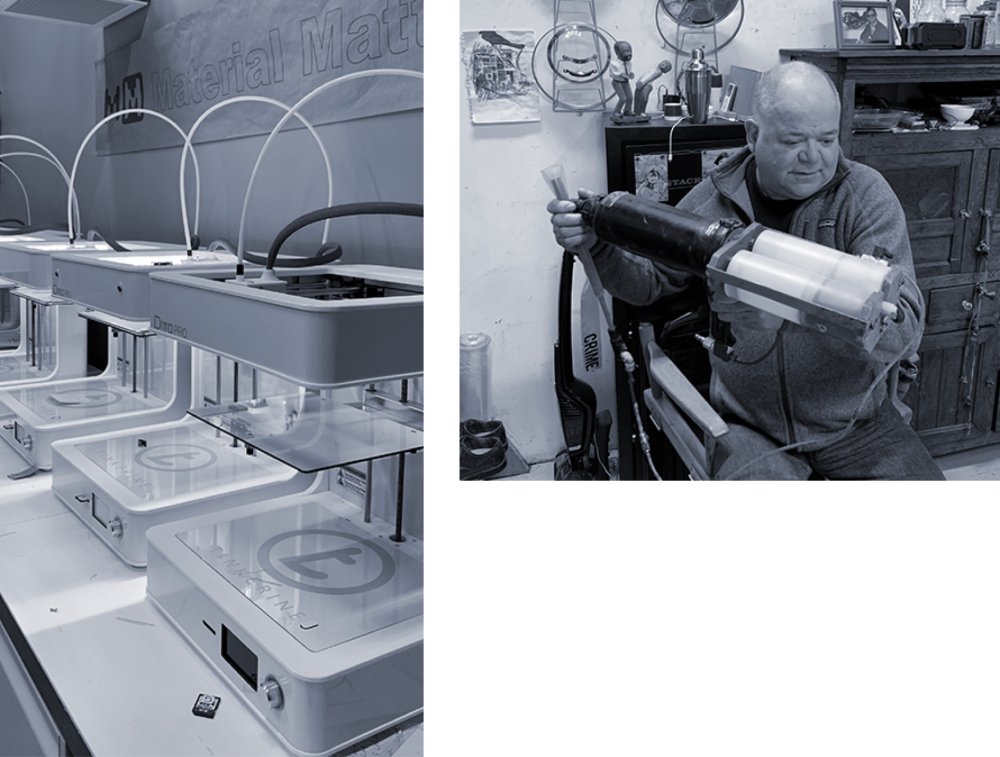
Spatial conducted interviews with demand side ecosystem participants including artisans/small manufacturers, building and home construction industry stakeholders, as well 3D printer manufacturers to discuss materials development.
The research confirmed a fast-growing demand for sustainable materials as well as hurdles and opportunities for market development. The research process also served to engage stakeholders in the proposed vision for cross-sector collaboration to develop these opportunities.
Coming together to define pilot projects and partnerships
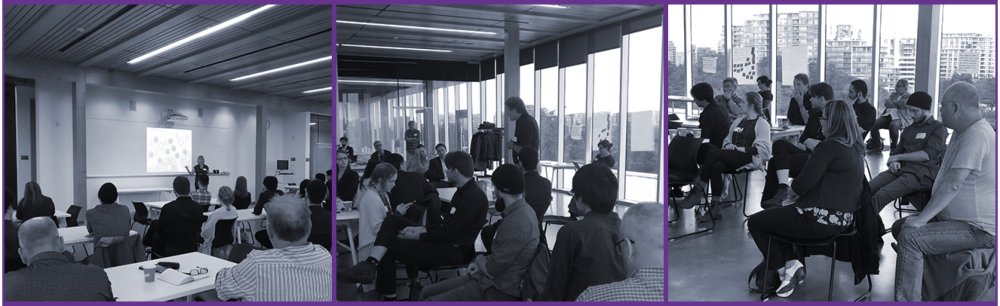
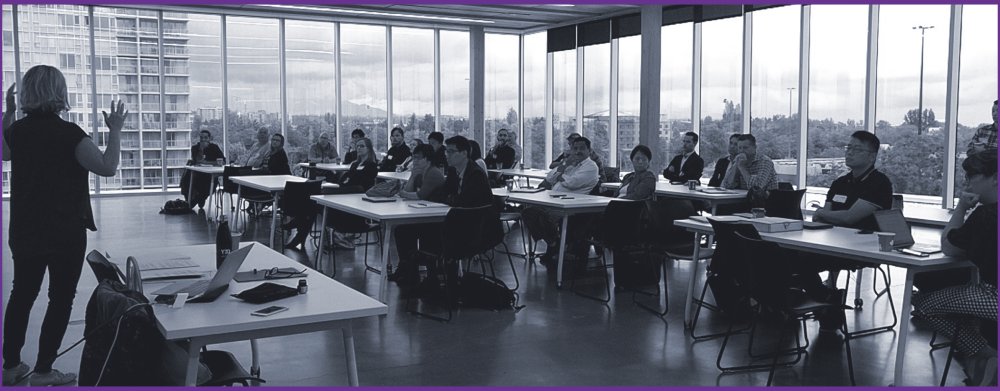
Spatial worked with the Bio-Alliance to facilitate a co-creation workshop focused on bringing materials researchers and industry players together to define collaborative projects to showcase the potential for bio-based materials.
The workshop brought together 30 people from across the ecosystem who defined several target pilot projects including: a pilot project to 3D-print a house using biomaterials and involving First Nations from Burns Lake throughout the process with a goal of community economic development; developing a sustainable replacement for Styrofoam to reduce waste from prop and set production in the film industry; and developing sustainable packaging for the cannabis industry.
The co-creation workshop fostered a genuine interest in collaborating to solve problems, generated excitement around the potential for biomaterials to support the groundswell of popular demand for more sustainable materials, and allowed participants to develop professional connections and potential partnerships.